
Anxiety Therapist Suffolk County NY
Many adults seek anxiety therapy after realizing that worry, fear, or nervous system activation has become a near-constant presence. You may notice your mind racing, difficulty relaxing, or a sense that something is always about to go wrong. For others, anxiety shows up physically through muscle tension, stomach discomfort, headaches, shortness of breath, or difficulty sleeping. These symptoms are not signs of weakness. They are signals from a nervous system that has learned to stay alert in order to cope.

Anxiety Therapy Long Island
Adult anxiety often differs from childhood anxiety. It may be more internalized, persistent, and tied to responsibilities, relationships, health, or performance. You may feel pressure to keep functioning despite feeling overwhelmed, which can make anxiety harder to recognize and address.
Anxiety therapy helps identify how your anxiety developed, what maintains it, and how it shows up in your daily life. This understanding creates a foundation for meaningful and lasting change.
Adults seeking anxiety therapy in Ridge NY, Suffolk County, or across Long Island often come to therapy feeling frustrated that anxiety persists despite insight or effort. Therapy helps bridge the gap between understanding anxiety intellectually and experiencing relief emotionally and physically.
Anxiety Counseling NY
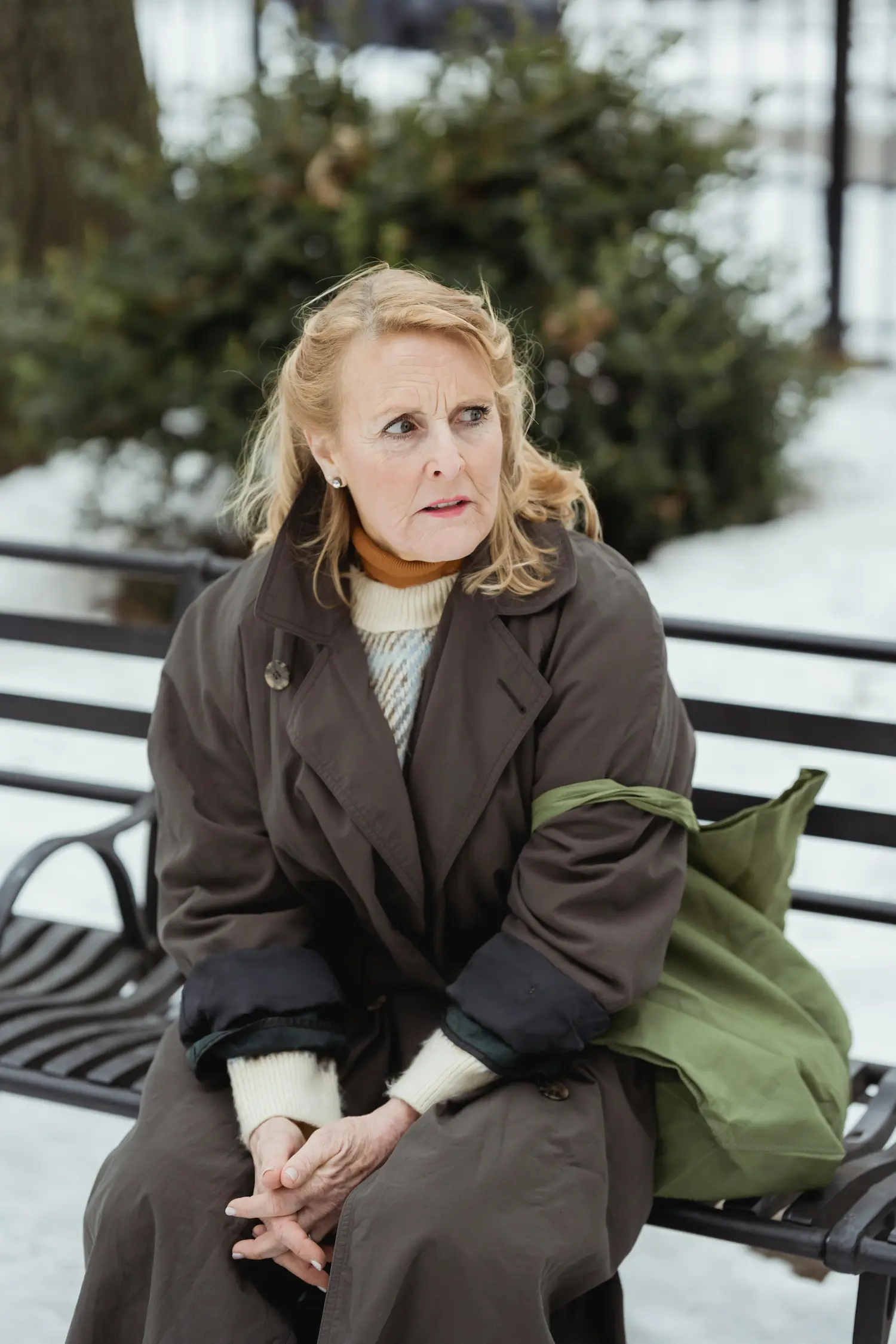
Generalized anxiety often involves ongoing worry about multiple areas of life, such as work, health, relationships, or finances. Anticipatory anxiety centers on future events, leading you to mentally rehearse scenarios or brace for negative outcomes. Social anxiety may involve fear of judgment, embarrassment, or rejection, while health anxiety focuses on physical sensations and illness concerns.
Anxiety therapy provides a space to explore how these patterns developed and how they affect your functioning. Therapy does not assume a one-size-fits-all approach. Instead, it focuses on your unique experience and needs.
Virtual Anxiety Therapy New York
You may notice that your body reacts before your mind has time to assess a situation. This is not a failure of logic. It reflects how the nervous system stores and responds to perceived threat.
Anxiety therapy takes a trauma-informed approach, recognizing that anxiety may be shaped by past experiences, stress, or emotional overwhelm. Therapy helps you learn how to regulate your nervous system so that it can return to a calmer baseline more easily.
Common anxiety symptoms may include:
- Persistent worry or racing thoughts
- Muscle tension or restlessness
- Difficulty sleeping or staying asleep
- Heart palpitations or shortness of breath
- Stomach discomfort or nausea
- Difficulty concentrating or feeling mentally foggy
Anxiety therapy helps you understand how these symptoms are connected and how to respond to them with greater awareness and compassion.

Trauma-informed anxiety therapy focuses on helping you feel more grounded in the present moment. Before addressing deeper cognitive or emotional patterns, therapy supports stabilization and emotional regulation.
This approach recognizes that anxiety cannot simply be “thought away.” Healing involves both understanding and embodied experience.
Rather than challenging thoughts aggressively, therapy helps you notice patterns such as catastrophizing, all-or-nothing thinking, or excessive self-criticism. This awareness allows you to respond with more flexibility and self-compassion.
CBT-informed anxiety therapy may include skill-building both during sessions and between sessions, supporting gradual and sustainable change.

Anxiety therapy may incorporate skills such as:
- Breathing techniques to calm physiological arousal
- Grounding through the five senses
- Progressive muscle relaxation
- Mindfulness-based awareness
- Body-based regulation strategies
These skills are introduced gradually and practiced in ways that feel manageable. Over time, they can help reduce the intensity and duration of anxiety responses.
Anxiety therapy helps you understand avoidance patterns and gently work toward increased tolerance and flexibility. This process is collaborative and paced according to your readiness.
Rather than forcing exposure, therapy supports you in building confidence and resilience so that anxiety feels less controlling.
Therapy provides a space to explore how anxiety shows up in your relationships and how it influences your sense of self. Through therapy, you can develop healthier boundaries, communication strategies, and emotional awareness.
For adults seeking anxiety counseling in Suffolk County NY or anxiety therapy on Long Island, therapy can support both individual well-being and relational growth.
As therapy progresses, you may work on skill-building, cognitive awareness, emotional processing, and nervous system regulation. Therapy remains collaborative, with ongoing attention to what feels most helpful for you.
Many people notice gradual changes rather than immediate relief. Over time, anxiety often becomes more manageable, less intrusive, and easier to respond to with confidence.
Anxiety therapy may be helpful if you are experiencing:
- Persistent worry or fear
- Physical symptoms related to anxiety
- Difficulty relaxing or sleeping
- Anxiety that interferes with daily functioning
- Avoidance of situations or decisions
- Feeling overwhelmed by stress or responsibility
Therapy offers support without judgment and adapts to your individual needs.
Many adults find virtual therapy particularly helpful for anxiety, as familiar surroundings can increase comfort and reduce barriers to care. Virtual anxiety therapy also allows for greater flexibility and consistency.
If you are looking for an anxiety therapist in Ridge NY, Suffolk County, or across Long Island, virtual anxiety therapy in New York offers accessible and effective support.
Anxiety therapy meets you where you are and supports change at a pace that respects your nervous system and lived experience.
📞 Call: (631) 793-8420
🖥️ Book Online: Free 15-min Consultation
📩 Email: annmariemorellolmhc@gmail.com
for your free consultation.